
01Digital engineering
Software, engineered with intent.
GIT designs, builds and operates digital products — from the first architecture sketch to reliable software in production.
02Company
GIT is an IT company that turns complex requirements into clear, maintainable systems. We combine engineering, design and infrastructure in one team.
03Core expertise
/01
Software
Custom applications and backend systems.
/02
Web
Responsive, accessible web applications.
/03
Cloud
Architecture, automation and operations.
/04
Design
Product interfaces and design systems.
/05
Integration
APIs that connect systems reliably.
/06
Quality
Testing built into every release.
04 — Software development
Custom software and web applications.
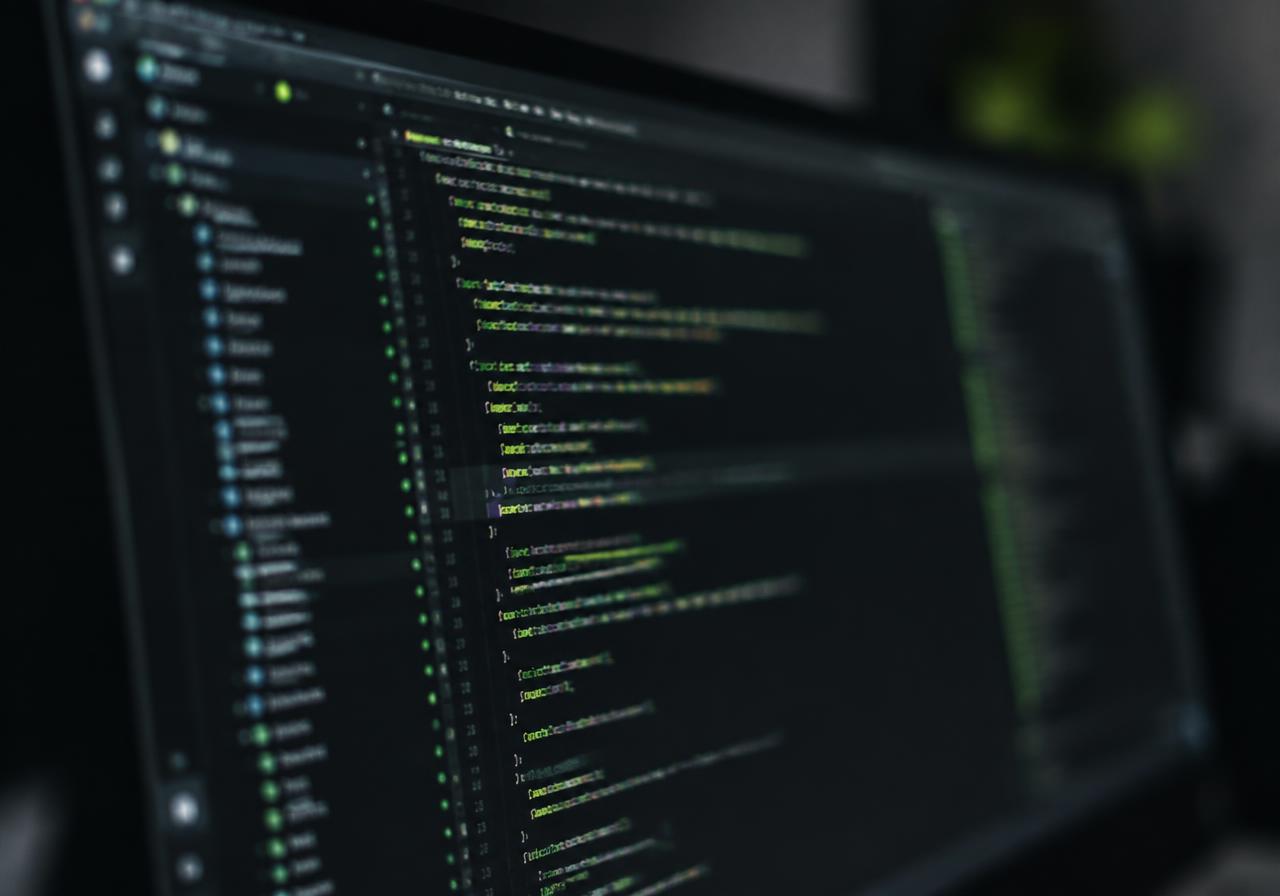
We build backend services, internal tools and customer-facing web applications around your real workflows — structured to stay readable as they grow.
- → Domain modelling and backend logic
- → Responsive, accessible interfaces
- → Tested, reviewed, documented code

05Cloud & infrastructure
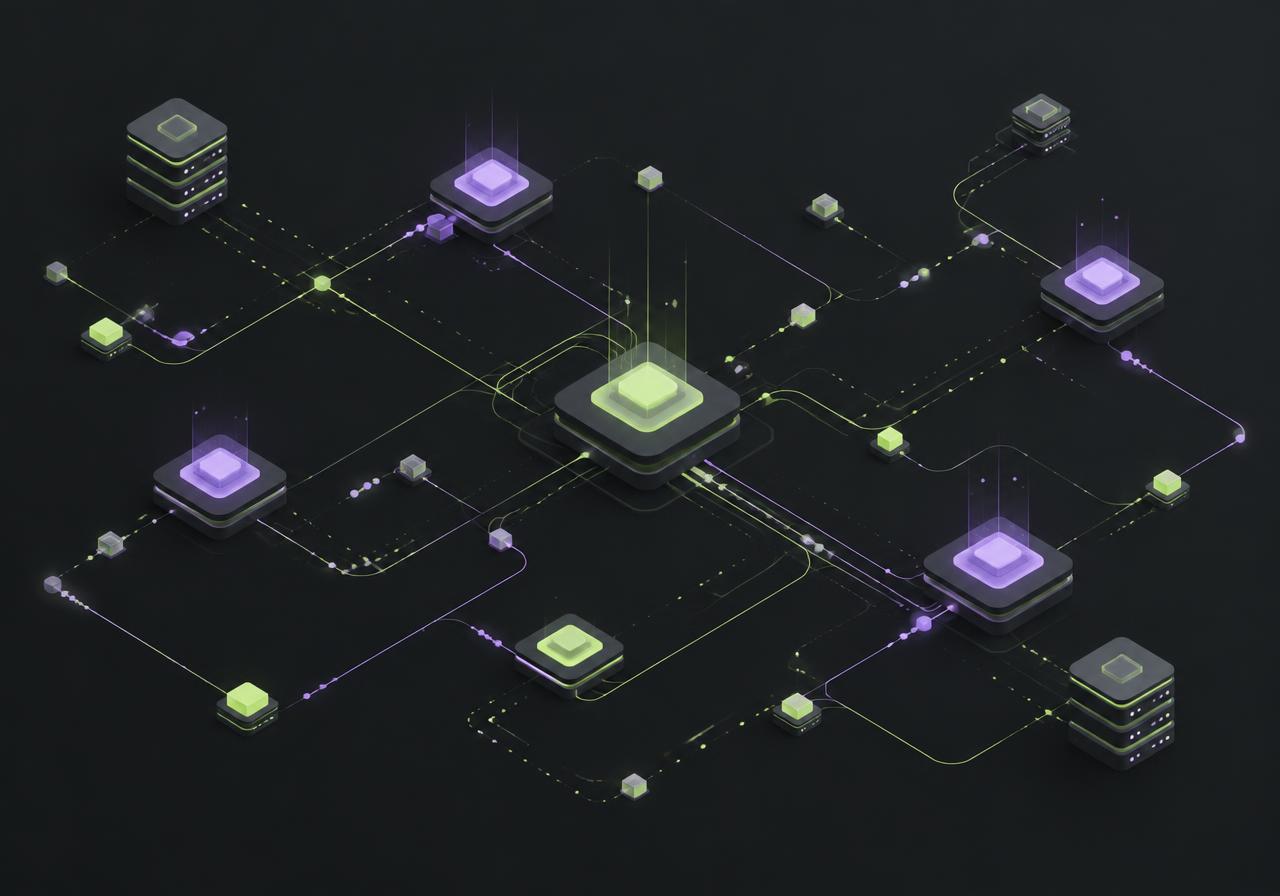
Infrastructure you can read.
Architecture
Cloud designs sized for actual workloads.
Automation
Infrastructure as code and CI/CD pipelines.
Observability
Logging, metrics and alerting from day one.
Resilience
Backups, recovery plans and runbooks.
06Product design & UX
Interfaces shaped by real use.
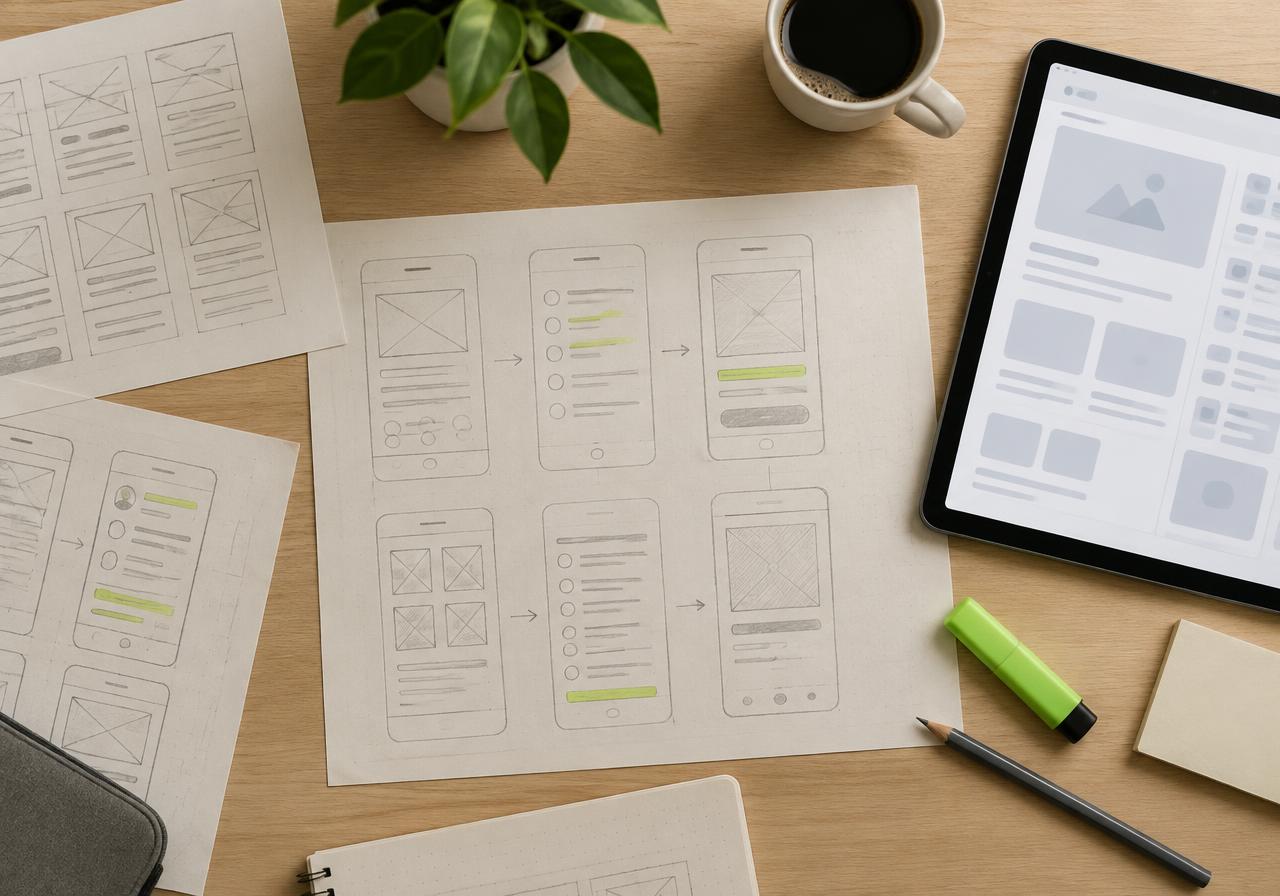
User flows, prototypes and design systems created alongside engineering, so what is designed can be built — and what is built stays consistent.
07Quality & standards
Quality is a habit, not a phase.
- Peer review on every change
- Automated tests in continuous integration
- Accessibility checks during development
- Version-controlled environments
- Release checklists with rollback plans
08 — Delivery process
Six steps, repeated in short cycles.
- 1
Discover
Understand goals, users, constraints and existing systems.
- 2
Define
Agree on scope, architecture and a first release worth shipping.
- 3
Build
Develop in short iterations with regular working demos.
- 4
Verify
Test, review and prepare the release together.
- 5
Launch
Deploy carefully, monitor and resolve early issues.
- 6
Evolve
Maintain, measure and improve over time.
09Business contexts
Our practices apply across many kinds of organisations, including:
- Retail and e-commerce
- Logistics and operations
- Education and learning
- Professional services
- Media and content
- Healthcare administration
- Financial operations
- Early-stage products
10Technology
Proven tools, chosen per project.
Frontend
- TypeScript
- React
- Server rendering
- Design tokens
Backend
- Node.js
- REST & events
- PostgreSQL
- Background jobs
Cloud
- Containers
- Infrastructure as code
- CI/CD
- Observability
Quality
- Unit & integration tests
- End-to-end tests
- Code review
- Accessibility checks
11Collaboration
How we work with you.
Direct access
You speak with the people building your product.
Visible progress
Working software is shown early and often.
Written decisions
Trade-offs are documented, not just discussed.
Complete handover
Code, docs and access always belong to you.

12 — Questions
Frequently asked.
- What kinds of projects does GIT take on?
- New products, rebuilds of existing systems, cloud migrations, integrations, and ongoing maintenance of software already in production.
- Can you work with our existing team?
- Yes. We can work alongside your engineers, follow your conventions and tooling, or take responsibility for a clearly defined part of the system.
- How is a project estimated?
- After an initial conversation we outline scope, risks and a phased plan. Estimates are revisited openly as understanding improves.
- Who owns the code?
- You do. Source code, documentation and infrastructure access are transferred to you.
- Do you support software after launch?
- Yes. Maintenance and technical support can be arranged with an agreed scope and communication rhythm.
13Contact
Start with an email.
Describe your goals, current situation and timeline — we will reply with questions and possible next steps.